Fitness Equipment Trends 2026: Maximising Home Workouts
- fawad.hasan
- Jan 8
- 9 min read
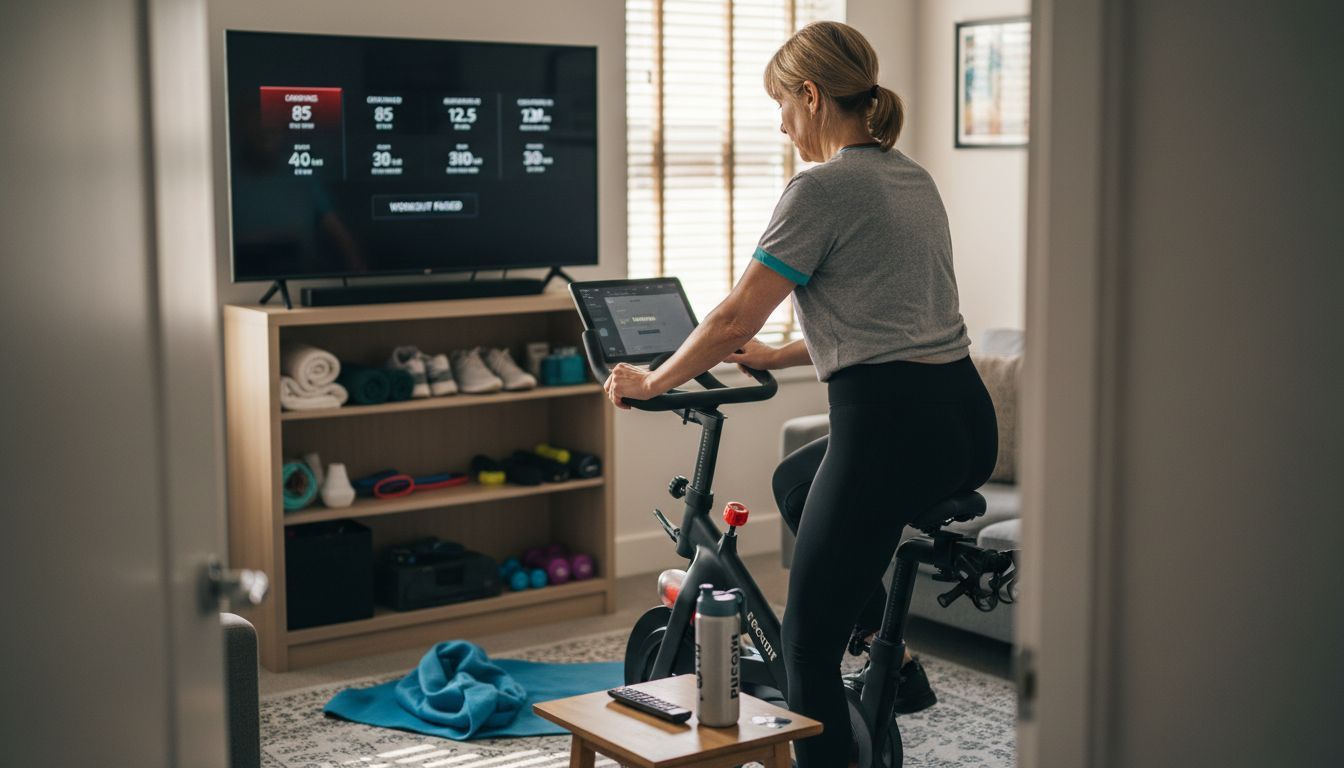
Smart technology is reshaping the way british fitness enthusiasts approach home workouts, with over 65 percent now using wearables or connected gym gear for personalised training and recovery. Navigating these rapid changes matters more than ever, as the right equipment can make or break progress toward stronger health and all-round wellness. Discover which emerging trends and innovations are set to transform the british home workout scene in 2026, helping you stay a step ahead in your training journey.
Table of Contents
Key Takeaways
Point | Details |
Technological Integration | Fitness equipment trends are increasingly driven by smart technology, enabling personalised data tracking and training optimisation. |
Multi-Functional Equipment | The focus is shifting towards compact, modular equipment that supports diverse training styles and personalisation for holistic fitness. |
Emphasis on Recovery | Advanced recovery devices and smart accessories now provide critical insights into physiological recovery, aiding in optimised training strategies. |
Safety and Reliability | Equipment selection in 2026 should prioritise safety features, innovative materials, and comprehensive warranties to ensure long-term durability and performance guarantees. |
What Defines Fitness Equipment Trends In 2026
The fitness equipment landscape in 2026 is shifting dramatically, driven by technological integration and personalised wellness approaches. Emerging fitness trends are no longer about fleeting fads, but sustainable, measurable approaches to health and performance.
Technology sits at the core of these transformative trends. Wearable devices now provide unprecedented insights into individual physiological responses, enabling precise workout customisation. Fitness enthusiasts can track heart rate variability, muscle activation patterns, and recovery metrics in real-time, transforming how we understand personal fitness. Smart equipment with integrated sensors now measure everything from biomechanical efficiency to muscular imbalances, offering data-driven recommendations for optimal training.
Strength training has emerged as a cornerstone of holistic fitness, transcending traditional demographic boundaries. Fitness professionals recognise that resistance training supports not just physical development, but mental wellbeing and long-term health resilience. Home workout equipment now focuses on versatility, compact design, and intelligent programming that adapts to individual fitness levels and goals.
The most progressive fitness equipment in 2026 integrates multiple wellness dimensions: physical performance, injury prevention, mental health support, and personalised progression tracking. Modular, multi-functional equipment that supports diverse training styles will dominate the market, reflecting a more nuanced understanding of fitness as a comprehensive lifestyle approach.
Pro tip: Invest in fitness equipment that offers data tracking and personalised programming to maximise your home workout effectiveness and long-term health outcomes.
Emerging Equipment Types And Key Innovations
Smart fitness technology is revolutionising home workout experiences in 2026, with innovative equipment transforming fitness landscapes. Modern fitness gear goes beyond traditional exercise machines, integrating intelligent systems that provide comprehensive wellness tracking and personalised coaching.
Home gym equipment is experiencing a paradigm shift towards multifunctional, space-efficient designs. Compact smart machines now combine resistance training capabilities with AI-powered coaching, enabling users to maximise workout effectiveness in limited spaces. These advanced systems utilise neural network technologies to adapt training programmes based on individual performance, fatigue levels, and physiological responses.
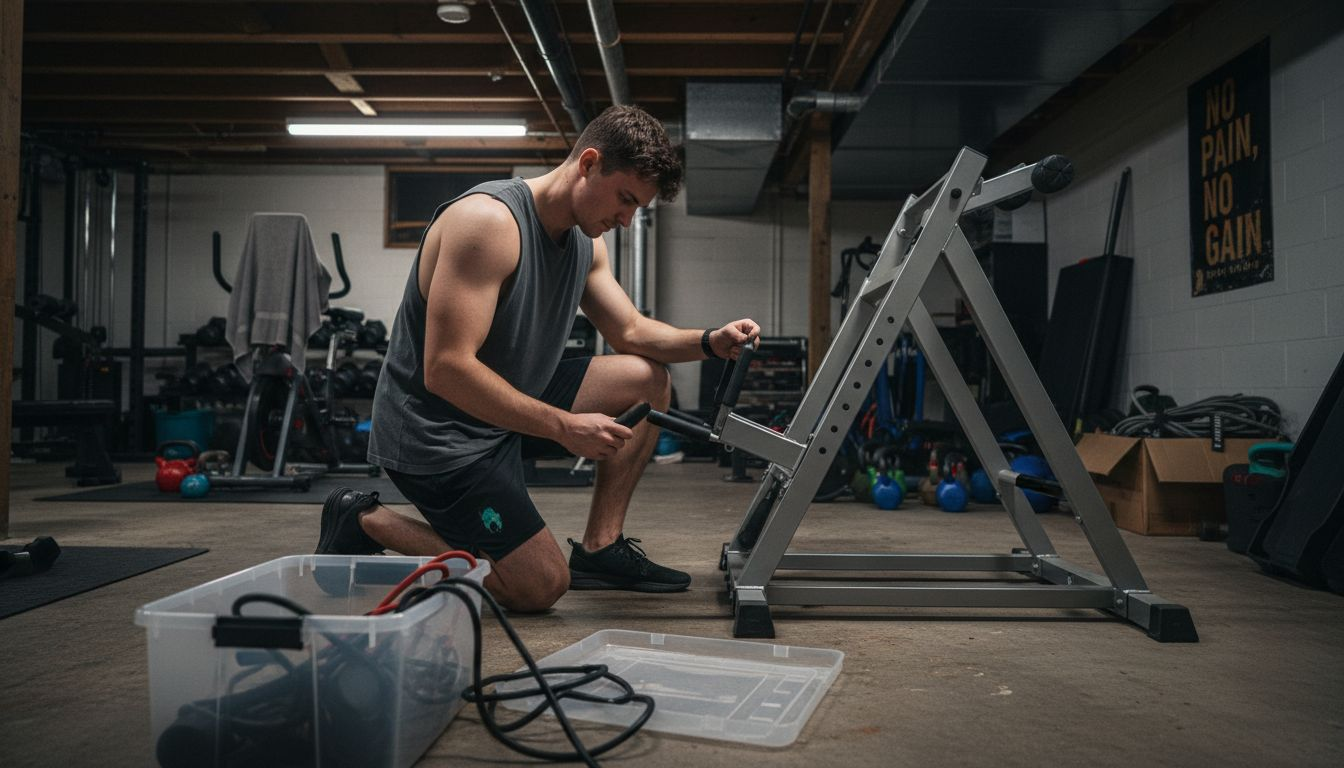
The emergence of neuro-fitness devices represents a groundbreaking trend, bridging cognitive training with physical exercise. These sophisticated machines monitor brain activity, muscle engagement, and recovery metrics simultaneously. By integrating wearable technology and machine learning algorithms, fitness equipment can now provide real-time feedback on both mental and physical performance, creating holistic training experiences that extend beyond traditional workout methodologies.
Connectivity remains a crucial innovation, with equipment designed to integrate seamlessly into digital ecosystems. Bluetooth-enabled machines, cloud-based workout tracking, and virtual reality interfaces are transforming home fitness from isolated activities into interactive, globally connected experiences. Users can now participate in live classes, compete with international fitness communities, and receive personalised coaching without leaving their living rooms.
Pro tip: Prioritise fitness equipment with adaptable AI coaching and comprehensive connectivity features to maximise your home workout potential.
Here is a comparison of the most significant innovations in fitness equipment emerging by 2026:
Innovation Type | Key Function | Distinct Benefit |
Smart Wearables | Real-time physiology tracking | Precision personalisation |
AI-Powered Home Equipment | Adaptive training programmes | Improved results in less time |
Neuro-Fitness Devices | Cognitive and muscle monitoring | Optimised mental and physical gains |
Connectivity Solutions | Integrates apps and communities | Enhanced motivation and engagement |
Essential Technology In Modern Fitness Gear
The landscape of fitness technology in 2026 is defined by sophisticated wearable innovations that transform how individuals monitor and optimise their physical performance. Modern fitness gear has transcended simple tracking, evolving into comprehensive wellness platforms that provide holistic insights into personal health metrics.
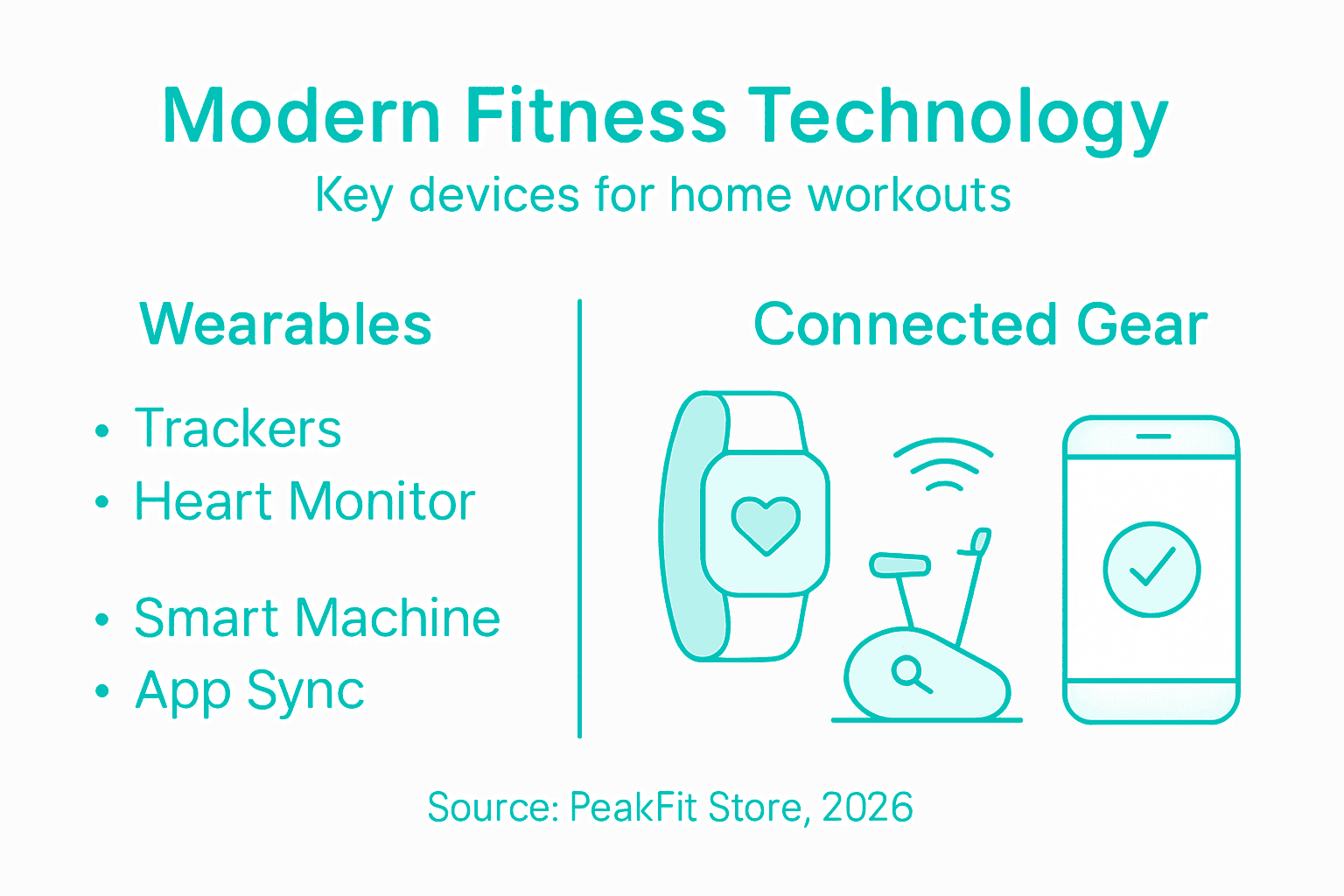
Wearable devices now integrate multiple sophisticated tracking capabilities, monitoring far more than basic heart rate and step counts. Advanced sensors can now measure intricate physiological parameters such as muscle oxygen saturation, neural recovery rates, and precise metabolic efficiency. These technologies enable users to develop highly personalised training strategies, understanding their body’s unique response patterns and potential limitations with unprecedented accuracy.
Virtual reality and augmented experience technologies are revolutionising home workout environments. Immersive fitness technologies are creating interactive training experiences that simulate professional gym environments, global fitness classes, and personalised coaching scenarios. Users can now participate in dynamic workout programmes that adapt in real-time to their performance, energy levels, and physiological responses.
Connectivity remains a critical component of modern fitness technology, with intelligent systems designed to communicate seamlessly across multiple platforms. Mobile applications now serve as central hubs, integrating data from wearable devices, smart home gym equipment, and nutrition tracking systems. This comprehensive approach allows fitness enthusiasts to develop a truly holistic understanding of their physical wellness, bridging previously disconnected aspects of health management.
Pro tip: Invest in fitness technology that offers comprehensive data integration and personalised insights to maximise your training effectiveness and overall wellness.
Popular Home Workout Equipment In The UK
The United Kingdom’s home fitness landscape in 2026 is characterised by compact and versatile workout solutions that address the unique challenges of limited urban living spaces. Modern British fitness enthusiasts prioritise equipment that combines efficiency, portability, and intelligent design to maximise training potential within constrained environments.
Key equipment categories have emerged as favourites among UK home fitness practitioners. Resistance training tools like adjustable dumbbells, versatile resistance bands, and bodyweight training systems dominate the market, offering comprehensive strength development without requiring extensive space. Portable equipment such as foldable treadmills and smart exercise bikes provide cardiovascular options that can be easily stored, making them ideal for compact flats and smaller homes across London, Manchester, and other urban centres.
Technology integration remains a crucial factor in equipment selection. Smart fitness devices with embedded performance tracking, interactive coaching features, and connectivity to mobile applications are transforming home workout experiences. Weighted skipping ropes with digital performance monitors, intelligent biking consoles that provide real-time metrics, and compact multi-functional training stations represent the cutting edge of home fitness technology in the United Kingdom.
Ergonomic design and adaptability are paramount for UK consumers. Equipment that can support multiple fitness levels, accommodate different body types, and provide scalable challenge progressions has become increasingly popular. This approach reflects a mature understanding of fitness as a personalised, long-term journey rather than a one-size-fits-all approach.
To help UK consumers, here is a summary of the most popular home gym equipment types and their main advantages in 2026:
Equipment Type | Space Usage | Technology Feature |
Adjustable Dumbbells | Very compact | Digital weight selection |
Foldable Treadmills | Minimal storage | Performance tracking console |
Smart Bikes | Small footprint | Real-time interactive metrics |
Multi-Gyms | Modular | App integration and progress logs |
Pro tip: Prioritise versatile, space-efficient fitness equipment with smart technology integration to maximise your home workout potential.
Recovery Devices And Smart Accessories Explained
Wearable recovery technologies have transformed fitness management, moving beyond simple performance tracking to become sophisticated health optimization platforms. These intelligent devices now provide comprehensive insights into an individual’s physical and physiological recovery state, enabling more nuanced and personalised training strategies.
Modern recovery devices integrate multiple sophisticated tracking mechanisms that monitor critical health parameters. Advanced wearables can now assess heart-rate variability, sleep quality, muscular stress levels, and neurological recovery indicators with unprecedented precision. Rehabilitation technology has evolved to support four key fitness pillars: recovery, mobility, strength, and nutrition, creating holistic approaches to physical wellness that extend far beyond traditional exercise tracking.
Smart accessories have become increasingly intelligent, offering real-time biomechanical feedback during training sessions. These devices can analyse movement patterns, provide form correction suggestions, and identify potential injury risks before they manifest. Muscle recovery tools now incorporate electromagnetic stimulation, thermal regulation technologies, and personalised recommendation algorithms that adapt to an individual’s specific physiological responses.
The integration of artificial intelligence with recovery technologies represents a significant breakthrough in fitness management. These systems can now predict optimal training and rest intervals, recommend specific recovery protocols, and provide contextualised insights that help users understand their body’s unique stress and adaptation responses. By transforming raw physiological data into actionable wellness strategies, these smart accessories are redefining how individuals approach physical performance and long-term health management.
Pro tip: Invest in recovery devices that offer comprehensive, personalised insights rather than simply collecting raw data.
Choosing Safe And Reliable Equipment In 2026
Evaluating fitness equipment safety requires a comprehensive approach that goes beyond surface-level assessments. Equipment supply standards have evolved to provide robust frameworks ensuring consumer protection, technical reliability, and performance integrity across multiple dimensions of fitness technology.
Key safety considerations in 2026 encompass multiple critical domains. Structural integrity remains paramount, with manufacturers now required to demonstrate extensive stress testing and materials durability. Biomechanical compatibility has become a crucial assessment metric, ensuring that equipment design supports natural human movement patterns while minimising potential injury risks. Advanced materials like high-tensile carbon composites and aerospace-grade aluminium alloys are now standard in premium fitness equipment, providing exceptional strength-to-weight ratios and long-term performance reliability.
Technological safety features have become increasingly sophisticated. Smart diagnostic systems can now continuously monitor equipment structural integrity, detecting potential mechanical fatigue or stress points before they become critical failure risks. Embedded sensors provide real-time performance analytics, automatically identifying unusual vibration patterns, unexpected resistance changes, or structural anomalies that might compromise user safety. These intelligent monitoring systems represent a quantum leap in preventative equipment maintenance, transforming passive fitness gear into actively responsive training platforms.
Consumers should approach equipment selection through a holistic lens, considering not just immediate performance capabilities but long-term reliability, manufacturer reputation, and comprehensive warranty provisions. Professional certifications, independent testing results, and transparent manufacturing documentation have become essential evaluation criteria. The most reliable fitness equipment in 2026 offers comprehensive performance guarantees, transparent technical specifications, and clear pathways for maintenance and potential future upgrades.
Pro tip: Always request comprehensive technical documentation and independent safety certification before investing in new fitness equipment.
Maximise Your Home Workouts with PeakFit Store
The article highlights the growing need for smart, versatile, and space-efficient fitness equipment to meet personalised training goals in 2026. If you are struggling with limited space, seeking adaptive workout gear, or aiming to elevate your home fitness routine through technology and data-driven tools, you are not alone. The challenge of integrating AI coaching, connectivity, and recovery-focused accessories into your training makes choosing the right equipment crucial for success.
At PeakFit Store, we understand these needs and offer a carefully curated range of products designed to support all aspects of your fitness journey. From adjustable dumbbells and foldable treadmills to advanced massage devices and smart accessories, our collection blends quality, durability, and innovation. Explore our Best Sellers | Peakfit Store for popular home workout essentials that deliver real results.

Start maximising your home workouts today by investing in equipment built for modern fitness trends. Discover versatile, tech-integrated gear tailored to your goals and space on our All Products | Peakfit Store page. Don’t wait to transform your fitness routine with trusted products from a store dedicated to your health and performance. Visit https://www.peakfitstore.com/ to find your perfect fit now.
Frequently Asked Questions
What are the main fitness equipment trends in 2026?
The fitness equipment trends of 2026 focus on technological integration, personalised wellness approaches, and smart connectivity. Key innovations include smart wearables, AI-powered home equipment, neuro-fitness devices, and compact, multifunctional training tools.
How can I maximise my home workouts with new fitness technology?
To maximise home workouts, invest in fitness equipment that offers data tracking and personalised programming. Look for smart devices with AI coaching, real-time metrics, and integration with mobile apps to create a more effective and engaging workout experience.
What types of equipment are best for small living spaces?
For small living spaces, compact and versatile workout solutions like adjustable dumbbells, foldable treadmills, and multi-functional gym equipment are ideal. These options maximise space while providing a comprehensive workout experience.
How do smart recovery devices contribute to overall fitness?
Smart recovery devices monitor important health metrics such as heart rate variability and sleep quality, helping users optimise their recovery process. They provide actionable insights that support better training strategies and enhance long-term health management.
Recommended


Comments