Role of Equipment in Strength: Maximising Performance
- fawad.hasan
- Jan 7
- 7 min read
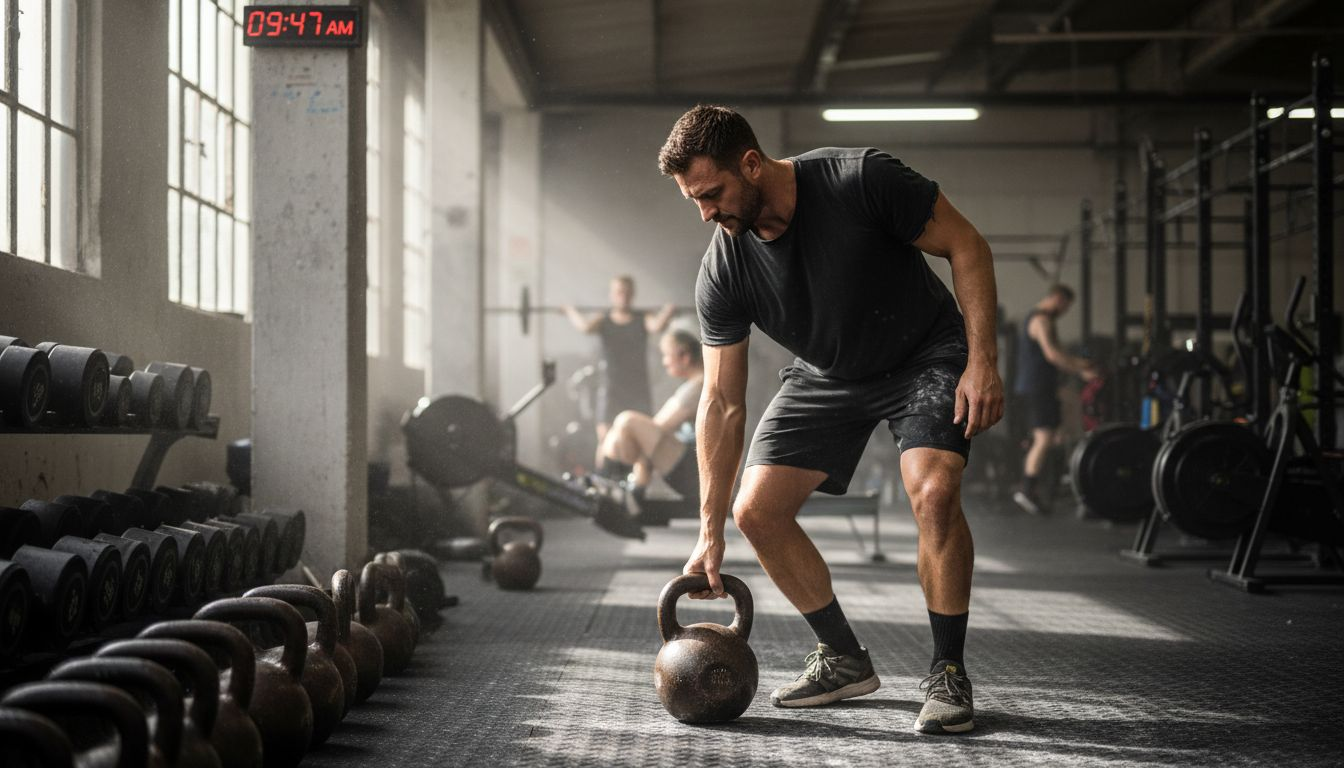
Most british home gym users face frustration trying to break through workout plateaus despite putting in regular effort. Choosing the right strength training equipment is crucial because it can directly impact muscle growth, recovery speed, and how consistently you stick to your fitness plan. With over 60 percent of fitness enthusiasts reporting improved results when using specialized gear, this guide delivers clear insight into types of equipment and practical strategies for building lasting strength while minimizing setbacks.
Table of Contents
Key Takeaways
Point | Details |
Importance of Equipment | Selecting the right strength training equipment is crucial for optimising muscle development and performance outcomes. |
Variety in Training Tools | Incorporating diverse equipment types prevents adaptation and enhances overall training effectiveness. |
Quality and Safety | Investing in high-quality equipment is essential for ensuring user safety and maximising training results. |
Avoiding Common Mistakes | Evaluating personal fitness goals and understanding proper equipment usage can prevent critical training errors. |
Defining Equipment’s Role in Strength Training
Strength training equipment serves as a fundamental mechanism for creating systematic muscle resistance and performance enhancement. Resistance training technologies have evolved significantly, transforming how athletes and fitness enthusiasts approach muscle development and physiological adaptation.
At its core, strength training equipment provides controlled mechanical stress necessary for muscle growth. Free weights, resistance machines, and bodyweight training tools each offer unique mechanisms for generating muscular tension. Specialised resistance devices enable targeted muscle group activation, allowing individuals to progressively overload specific muscle systems with precision previously impossible through traditional training methods.
The strategic selection of equipment directly influences training outcomes. Different resistance tools - ranging from barbells and dumbbells to cable machines and suspension trainers - provide varied movement patterns and muscle engagement strategies. This diversity allows trainers to design comprehensive strength programmes that challenge muscles through multiple planes of motion, preventing adaptation plateaus and promoting continuous physiological development.
Pro tip: Select equipment that matches your specific strength training goals and allows progressive resistance increments for optimal muscle adaptation.
Types of Strength Equipment and Their Benefits
Strength training relies on diverse equipment types that offer unique mechanisms for muscle development and performance enhancement. Resistance training technologies encompass several categories designed to challenge muscular systems through varied stimuli, each providing distinct physiological adaptations.
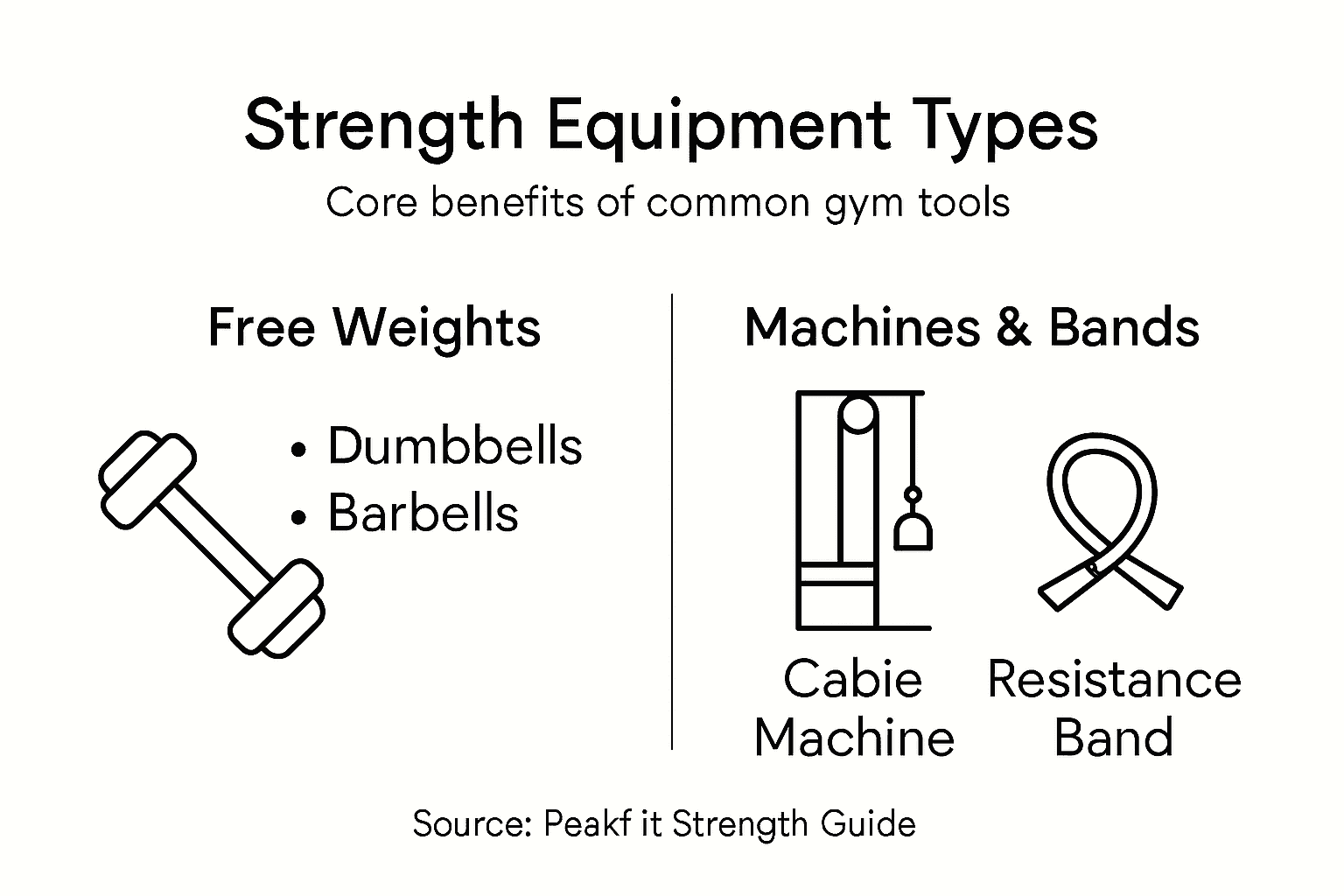
The primary categories of strength equipment include free weights, bodyweight training tools, resistance machines, and variable resistance devices. Free weights like dumbbells and barbells provide unrestricted movement patterns, engaging stabiliser muscles and promoting comprehensive muscle recruitment. Resistance machines, in contrast, offer guided movement trajectories, enabling isolated muscle group targeting and reducing injury risks. Variable resistance equipment such as resistance bands and chains introduce dynamic tension modifications, creating non-linear resistance profiles that challenge muscles throughout their entire range of motion.
Each equipment type presents unique advantages for strength development. Bodyweight training utilises an individual’s own mass as resistance, promoting functional strength and requiring minimal equipment. Barbell training allows substantial load progression, making it ideal for maximal strength gains. Cable machines provide constant tension and multi-directional movement possibilities, supporting rehabilitation and athletic conditioning. The strategic combination of these equipment types enables comprehensive strength programming that addresses muscular endurance, hypertrophy, and power development.
Here is a comparison of the main strength equipment types and their ideal training uses:
Equipment Type | Best Use | Suitable For |
Free weights | Overall strength gain | Intermediate/advanced |
Resistance machines | Muscle isolation | Beginners/rehab |
Bodyweight tools | Functional fitness | All fitness levels |
Variable resistance | Dynamic adaptation | Athletes/variety seekers |
Pro tip: Rotate between different equipment types to prevent adaptation and maintain consistent muscular challenge and growth.
How Quality Gear Enhances Performance and Safety
Quality strength training equipment plays a crucial role in optimising athletic performance and ensuring user safety. Equipment design and biomechanical integrity directly influence an athlete’s ability to train effectively while minimising potential injury risks. The sophisticated engineering behind modern training gear transforms how individuals approach strength development, creating precise environments for muscular adaptation.
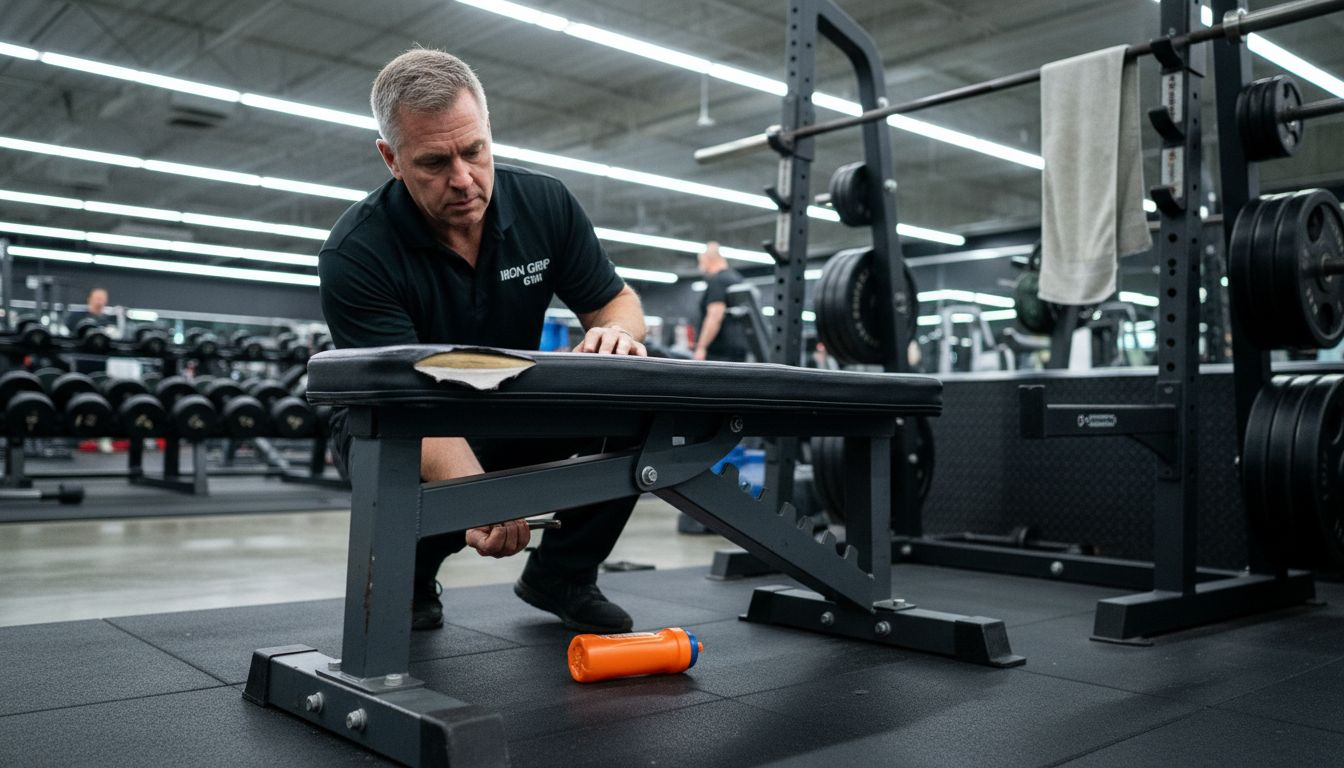
Ergonomic considerations are paramount in high-performance equipment. Properly designed gear provides biomechanically appropriate movement patterns, distributing physical stress optimally across muscle groups and joint structures. Performance and safety considerations become interconnected, with superior equipment supporting controlled resistance, reducing unexpected strain, and enabling athletes to push performance boundaries safely. This approach is particularly critical for youth athletes and individuals with varying fitness levels, where equipment quality can significantly impact long-term physical development.
The nuanced relationship between equipment quality and training outcomes extends beyond immediate performance metrics. High-grade materials, precision manufacturing, and intelligent design contribute to durability, consistency of resistance, and reduced fatigue-related injury risks. Advanced strength training equipment incorporates features like adjustable resistance, ergonomic grips, and adaptive mechanisms that accommodate individual biomechanical differences, thereby creating a more personalised and safer training experience.
Pro tip: Invest in equipment that offers adjustable settings and matches your specific physical requirements to maximise safety and performance potential.
Comparing Free Weights, Machines, and Accessories
Strength training equipment encompasses diverse modalities, each offering unique advantages for muscle development and performance enhancement. Comparative strength training analysis reveals that different equipment types produce nuanced physiological adaptations, challenging the notion of a universal ‘best’ training approach.
Free weights stand out for their ability to engage stabiliser muscles and promote functional movement patterns. Dumbbells and barbells require greater neuromuscular coordination, forcing muscles to work synergistically while maintaining balance. In contrast, resistance machines provide guided movement trajectories, offering more controlled and isolated muscle engagement. Equipment selection strategies suggest that machines can be particularly beneficial for beginners, rehabilitation patients, and individuals seeking targeted muscle development with reduced injury risk.
Accessories like resistance bands and chains introduce variable resistance mechanisms, creating unique training stimuli that complement traditional weight training. These tools enable athletes to modify resistance throughout movement ranges, challenging muscles differently compared to static weight equipment. The strategic integration of free weights, machines, and accessories allows for comprehensive strength programming that addresses muscle recruitment, power development, and movement complexity across various fitness levels and training objectives.
Pro tip: Combine different equipment types in your training programme to maximise muscle adaptation and prevent training plateaus.
Common Mistakes When Choosing Equipment
Strength training equipment selection requires careful consideration to avoid critical errors that can compromise fitness progress and personal safety. Novice athletes and fitness enthusiasts frequently make fundamental mistakes when purchasing and utilising training gear, often driven by incomplete understanding or misguided assumptions about equipment functionality.
One prevalent error involves selecting equipment based solely on aesthetic appeal or trending popularity rather than individual fitness goals and physiological requirements. Youth athletic equipment choices demonstrate that inappropriate gear can significantly hinder developmental potential. Individuals must evaluate their current fitness level, specific training objectives, and biomechanical constraints when choosing strength training equipment. This means considering factors like available space, personal strength limitations, potential progression paths, and long-term adaptability of the selected equipment.
Technical proficiency and proper instruction represent another frequently overlooked dimension of equipment selection. Many athletes purchase sophisticated training tools without understanding fundamental usage techniques, risking improper form, potential injury, and reduced training efficacy. Comprehensive equipment evaluation should include assessments of personal skill level, access to professional guidance, and willingness to invest time in learning correct usage methodologies. Quality equipment demands corresponding quality knowledge and consistent, informed application.
Consider these essential factors when choosing strength training equipment:
Factor | Why It Matters | Key Question to Ask |
Fitness objectives | Align gear with personal goals | What is my primary aim? |
Space availability | Ensure safe and efficient usage | Do I have enough room? |
Progression options | Allow for long-term development | Can resistance be increased? |
User skill level | Reduce injury and maximise gains | Am I trained to use this? |
Pro tip: Consult fitness professionals and conduct thorough research before investing in strength training equipment to ensure alignment with your specific fitness goals and capabilities.
Elevate Your Strength Training with the Right Equipment
Navigating the world of strength training equipment can be overwhelming, especially when striving to match your gear with your personal fitness goals and progression needs. As highlighted in the article “Role of Equipment in Strength: Maximising Performance”, selecting high-quality, versatile equipment is crucial for delivering effective resistance, maintaining safety, and avoiding training plateaus. Whether you seek to enhance muscular endurance, hypertrophy or power development, investing in ergonomic and durable gear tailored to your skill level can truly transform your strength journey.

Discover how PeakFit Store supports your aspirations with a curated collection of premium strength training equipment and accessories designed to meet diverse needs. From adjustable dumbbells that enable smooth resistance progression to reliable pull-up bars and performance-enhancing massagers, our products empower you to unlock new levels of muscle activation and safe training. Begin your personalised fitness evolution today by visiting PeakFit Store and equip yourself with tools that align perfectly with your objectives. Act now to take advantage of trusted quality and expert guidance that will keep you motivated and injury-free throughout your fitness advancement.
Frequently Asked Questions
What types of strength training equipment are best for beginners?
Resistance machines are ideal for beginners as they offer guided movement trajectories, enabling isolated muscle group targeting and reducing the risk of injury.
How can I combine different types of strength equipment in my training?
Mixing free weights, resistance machines, and accessories like resistance bands in your programme can maximise muscle adaptation and prevent training plateaus by challenging your muscles in diverse ways.
What should I consider when selecting strength training equipment?
Evaluate your fitness objectives, available space, progression options, and your own skill level to ensure the equipment aligns with your personal goals and capabilities.
How does the quality of strength training equipment impact safety?
High-quality equipment enhances safety by ensuring biomechanically appropriate movement patterns, reducing the risk of strain or injury, and providing a stable environment for training.
Recommended


Comments